
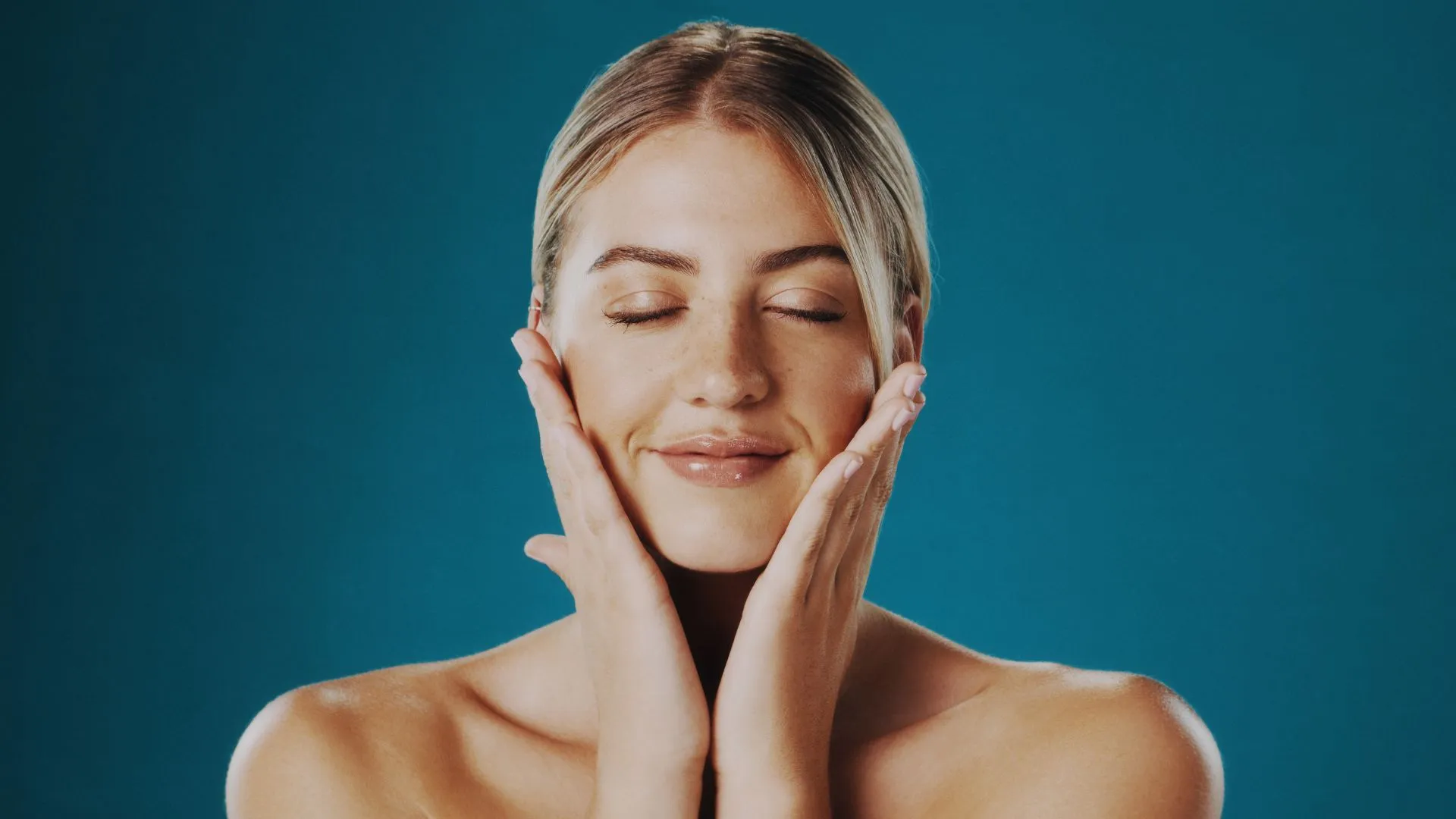
Not “anti-age” to cover up: it’s skin quality to rebuild
There is a moment, even before obvious wrinkles appear, when the skin “speaks” in a different way. It’s not only about fine lines: it’s the glow that fades more easily, the texture that becomes uneven, that feeling of skin that is less “alive,” as if it had lost energy. And it is precisely from here that the most interesting shift in contemporary aesthetics is born: not chasing an immediate effect for its own sake, but aiming for results that improve quality, structure and vitality over time.
This is the territory of Regenerative Aesthetics, an approach that is transforming patients’ requests and, consequently, professionals’ choices. Today, more and more people don’t ask for “just filling”: they want treatments that support the body’s natural renewal processes, that make the skin more toned and even, with a credible, progressive, harmonious result. In other words: less artifice, more skin quality.
Why regenerative aesthetics is becoming the new normal
In recent years, patients have changed. They arrive more informed and often with a very clear desire: “I want to feel better in my skin, without changing myself.” The concept of rejuvenation has shifted from “erasing” to “restoring”: regaining firmness, elasticity, evenness, radiance. And when this is the goal, the most effective strategy is rarely a single gesture. What works much better is a journey that combines in-clinic treatment, attention to the post-procedure phase, and a consistent at-home skincare routine.
This is also why we talk so much today about combined protocols. Treating discoloration and texture, supporting deep hydration, stimulating the skin to renew itself and then protecting it while it recovers: everything contributes to the same final result, which is not a “change of face,” but a real improvement in skin quality.
What “regenerative” means in practice
In aesthetics, “regenerative” is an umbrella term that includes different but complementary techniques. The shared idea is to work on the signs of aging not only by masking them, but by addressing what makes them visible: uneven tone, loss of functional hydration, reduced elasticity, skin that is more fragile or reactive after procedures.
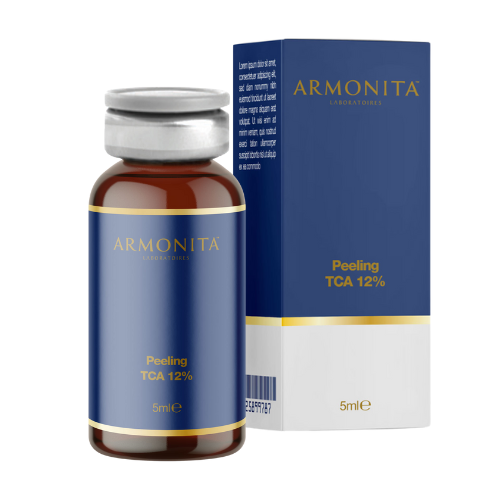
For this reason, a regenerative path often starts with evenness. When the complexion becomes uneven or the skin looks dull, it’s hard to talk about “youth” even if volumes are correct. This is where treatments that support renewal and radiance come in, such as Peeling TCA 12%, formulated with TCA 12% and combined with mandelic acid 5% and kojic acid 5%: a blend designed to work on texture, brightness and discolorations, including post-inflammatory marks and some forms of mild hyperpigmentation.
The real “game changer”: the post-procedure phase
If there’s one point that many underestimate, and that instead makes a huge difference in the perceived result, it’s what happens in the hours and days after a treatment. Redness, sensitivity, swelling, that tight-skin feeling: these are common reactions after procedures such as microneedling, peels or injectable treatments, and they affect both patient comfort and the continuity of the journey.
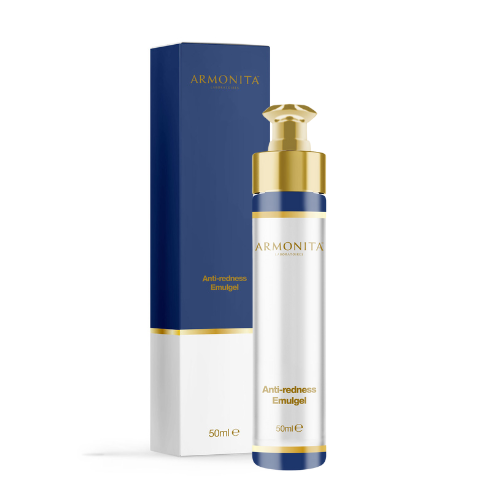
That’s why it makes sense to immediately integrate targeted support such as Anti-Redness Emulgel, designed to reduce redness and discomfort and promote comfort and barrier support, especially when the skin is more reactive.
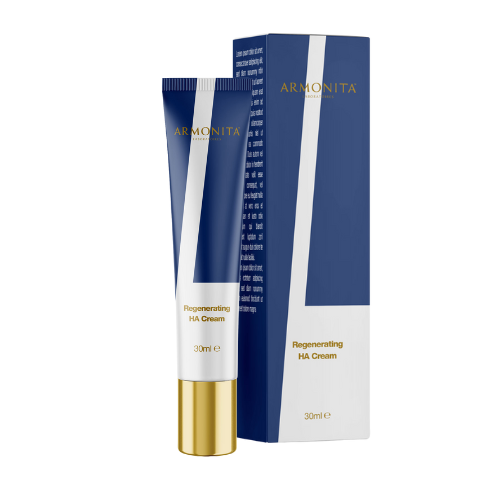
In parallel, when the goal is to accompany the skin through a deeper recovery phase, for example after a peel or after procedures that challenge the barrier, a cream like HA Regenerating Cream helps restore balance and hydration, with an approach that combines hyaluronic acid and barrier-support components such as ceramides, along with a nourishing component that makes the skin feel more comfortable during recovery.
The logic here is simple: if the skin recovers better, the final quality also looks better. And when the patient experiences the recovery phase well, they are much more likely to follow the journey consistently.
“Smart” hydration and maintenance: the routine that supports results
After the acute post-treatment phase, maintenance becomes the heart of regenerative aesthetics. It’s not enough to “do”, you also have to maintain.
At this stage, a serum like HA Serum works coherently because it focuses on multi-level hydration: the formula is designed to support plumping and comfort, helping with dryness and tightness and accompanying the skin when it tends to lose elasticity and radiance.
It’s a step that integrates easily even after aesthetic treatments (such as fillers, microneedling, lasers, peels or radiofrequency), precisely because the common thread is always the same: more hydrated skin, more even, more vital.
And when the focus is radiance, that light that makes the face immediately look fresher, the natural choice is a product that works on smoothness, evenness and real “glow”.
Glow Infusion Complex is born exactly in this direction: a brightening perfecting cream that uses Exosome Technology, with a concept that is very current in regenerative aesthetics, supporting skin renewal, elasticity and the barrier, improving the appearance of the skin in a progressive and credible way.
A coherent path, without excess
Regenerative aesthetics convinces precisely because it does not seek a special effect. It seeks an improvement that still feels like you. And to achieve it, coherence matters more than quantity: first you work on evenness (texture and discolorations), then you support density and functional hydration, then you protect the skin while it recovers, and finally you maintain over time with a routine that speaks the same language as the treatment.
It’s a more mature, more respectful approach, and that’s why it is becoming the new normal. Skin that looks healthy, firm and radiant doesn’t communicate “I did something”: it communicates “I’m well.” And today, in the world of aesthetics, this is the most convincing form of beauty.
Do you want to become a distributor of the Armonita line?
Source: “Regenerative Aesthetics: Patient Demand Leads to Investments in Innovation”, The Aesthetic Guide https://www.theaestheticguide.com/regenerative-aesthetics/regenerative-aesthetics-patient-demand-leads-to-investments-in-innovation

