
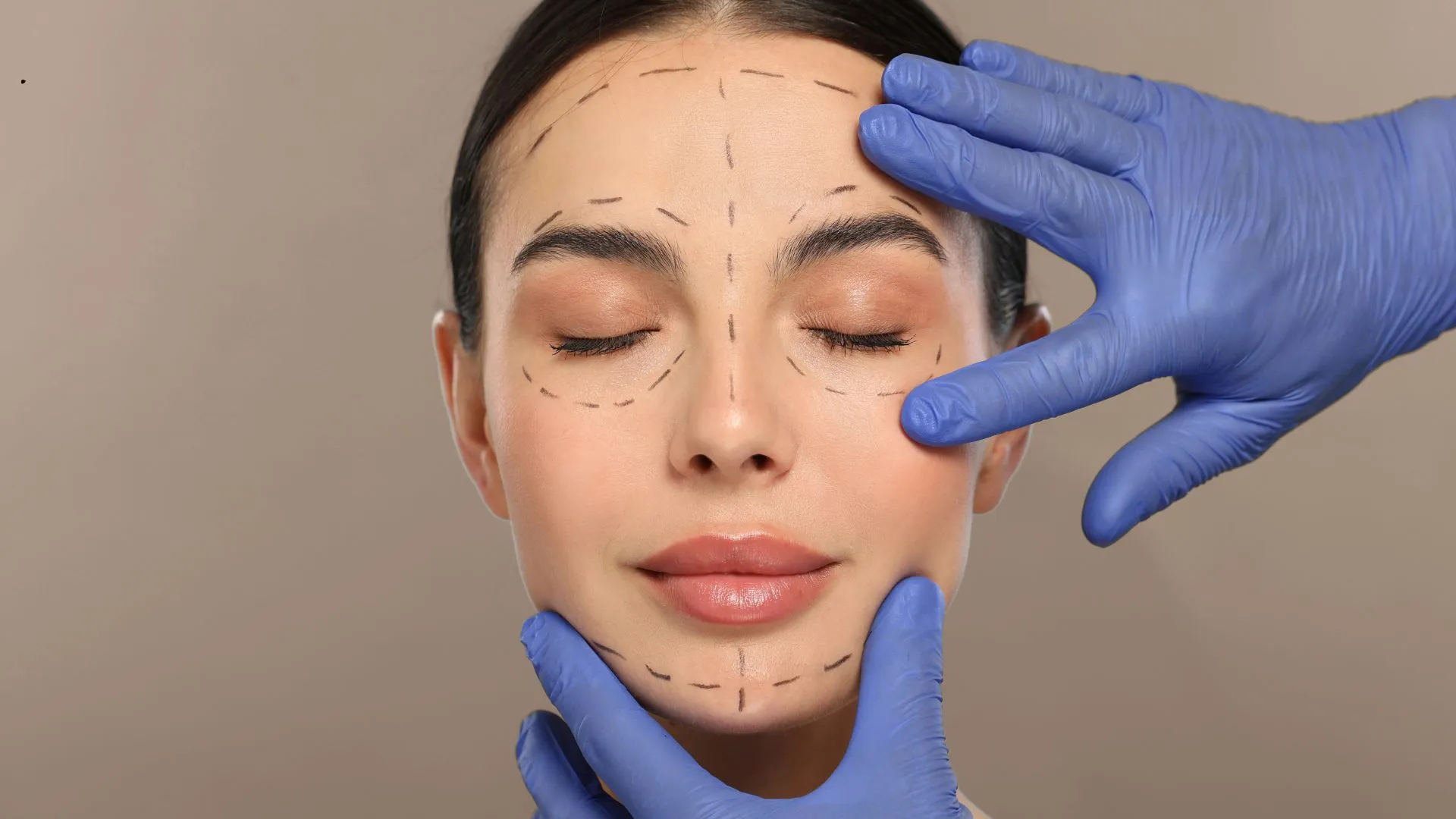
Artificial Intelligence and Cosmetic Surgery: What Emerges from Discussions with Plastic Surgeons
Artificial intelligence is becoming increasingly present in the fields of aesthetic medicine and plastic surgery. But can it truly replace the clinical judgment of a specialist?
A recent study published in Aesthetic Plastic Surgery compared the recommendations provided by ChatGPT with those made by experienced plastic surgeons, offering valuable insights into the role AI may play in the future of aesthetic consultations.
The use of artificial intelligence in healthcare is expanding rapidly. From medical imaging diagnostics and clinical data management to patient communication, AI-powered tools are transforming the way many healthcare services are delivered.
In the field of aesthetic medicine, this topic is particularly relevant. More and more people are using AI chatbots and search engines to gather information about dermal fillers, anti-aging treatments, facial surgery, and facial rejuvenation procedures. This has led researchers to investigate whether AI is truly capable of providing clinical recommendations comparable to those of experienced specialists.
The Study Comparing ChatGPT and Plastic Surgeons
The study, published in 2026 in the journal Aesthetic Plastic Surgery, evaluated ChatGPT’s ability to replicate the decision-making process of experienced plastic surgeons during aesthetic consultations.
Researchers compared the treatment recommendations generated by the AI with those provided by qualified plastic surgeons, assessing their accuracy, consistency, and clinical usefulness.
The objective was not to determine whether artificial intelligence can replace physicians, but rather to evaluate how reliable it may be in supporting the clinical decision-making and patient information process.
The findings showed that ChatGPT was often able to provide general recommendations that were accurate and aligned with current clinical guidelines. However, significant limitations emerged regarding its ability to personalize recommendations according to each patient’s unique characteristics.
Why Clinical Judgment Remains Essential
In aesthetic medicine, every patient is unique.
Two individuals presenting the same aesthetic concern may require completely different treatment approaches depending on factors such as:
- skin quality;
- facial anatomy;
- biological age;
- medical history;
- previous aesthetic treatments;
- patient expectations.
Although artificial intelligence can process vast amounts of information, it does not possess the clinical experience acquired through years of professional practice.
For this reason, the direct clinical evaluation of each patient remains essential for achieving safe, natural, and harmonious outcomes.
The Role of Artificial Intelligence in Modern Aesthetic Medicine
While AI cannot replace physicians, it offers several important advantages.
Among its most promising applications are:
- patient education;
- preliminary information and guidance;
- simulation of aesthetic outcomes;
- facial photographic analysis;
- treatment planning support;
- optimization of physician-patient communication.
According to the study’s authors, these technologies may become increasingly valuable in supporting clinical practice, provided they are used under the supervision of qualified healthcare professionals.
When Technology Meets Facial Rejuvenation
One area where personalization is especially important is facial rejuvenation.
The progressive loss of volume, elasticity, and facial definition requires careful evaluation of each patient’s individual characteristics.
For this reason, modern aesthetic medicine combines clinical expertise, advanced technologies, and specifically designed products to restore facial harmony.
Armonita Medium Filler: A Solution for Restoring Facial Volume
Armonita Medium Filler has been developed for the treatment of moderate wrinkles and the restoration of facial volume, helping improve facial balance while maintaining natural-looking aesthetic results.
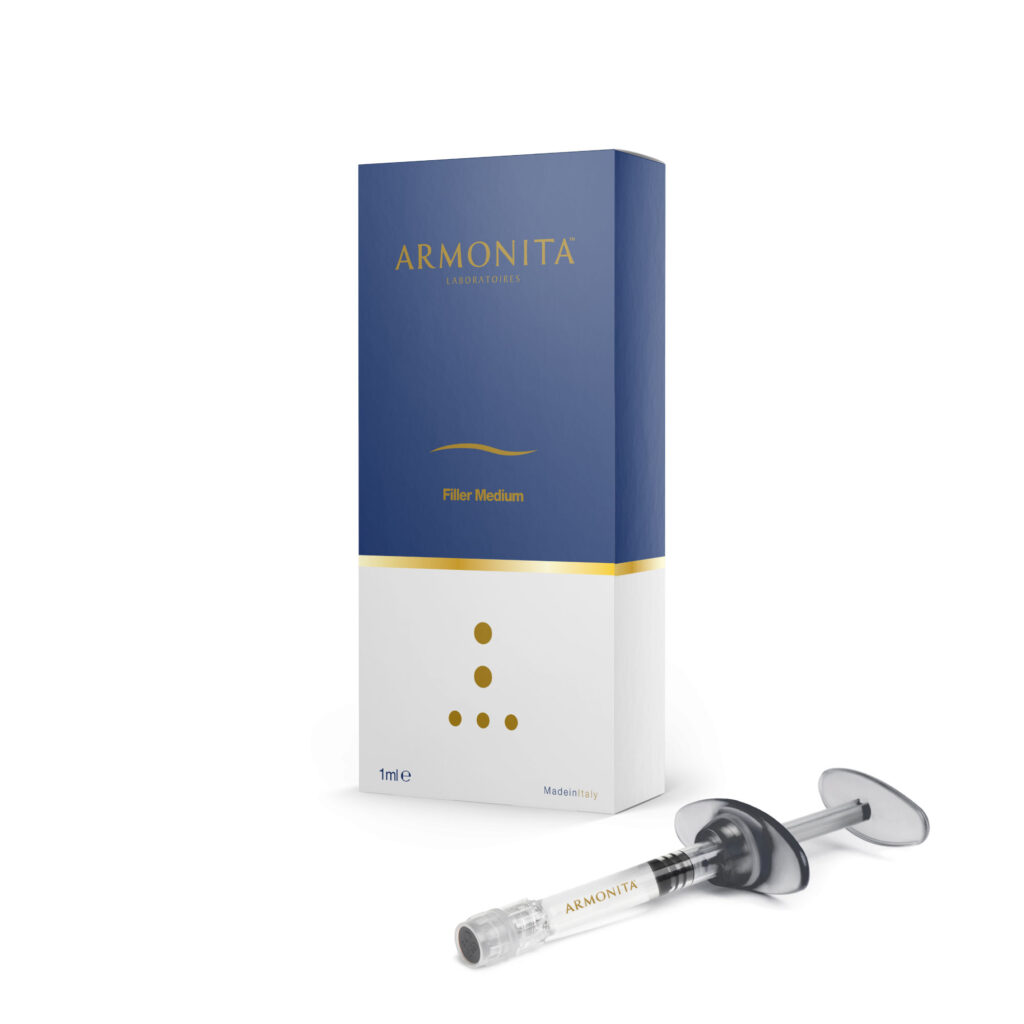
Thanks to its rheological properties, the product is suitable for treatments requiring tissue support and contour definition without compromising the patient’s natural facial expressions.
The selection of the most appropriate filler should always be based on the physician’s assessment, taking into account the patient’s anatomy, skin quality, and aesthetic goals.
This represents a clear example of how technology can support clinical practice without replacing the specialist’s decision-making process.
Current Limitations of Artificial Intelligence
Despite its rapid development, artificial intelligence still presents several important limitations.
Among the main ones are:
- lack of direct physical examination;
- inability to assess real facial dynamics;
- absence of hands-on clinical experience;
- risk of incomplete interpretation;
- inability to understand patients’ emotional and psychological aspects.
In aesthetic medicine, these limitations are particularly significant because treatment outcomes depend not only on technical parameters but also on the physician-patient relationship and a thorough understanding of individual expectations.
The Future Will Be a Collaboration Between AI and Specialists
Most experts believe that the future of aesthetic medicine will not involve replacing physicians with artificial intelligence.
Instead, a collaborative model is expected, in which AI systems assist professionals by:
- improving data collection;
- optimizing treatment planning;
- supporting patient education;
- increasing organizational efficiency;
- facilitating better-informed clinical decisions.
The study published in Aesthetic Plastic Surgery confirms that human clinical judgment remains the gold standard in aesthetic consultations, while artificial intelligence has the potential to become an important complementary tool.
A New Era for Aesthetic Medicine
Technological innovation is opening exciting new possibilities within aesthetic medicine. However, the results of this research demonstrate that clinical experience, direct patient evaluation, and treatment personalization remain fundamental to ensuring patient safety and satisfaction.
Artificial intelligence can provide valuable information and support the decision-making process, but selecting the most appropriate treatment still requires the expertise of qualified medical professionals.
Discover Armonita’s professional solutions for facial rejuvenation and facial volume restoration. Thanks to its range of hyaluronic acid dermal fillers, clinicians can perform highly personalized treatments focused on natural-looking results, facial harmony, and enhancement of each patient’s unique features.
Reference
González T, Danilla S, Las Heras R, Benítez S, Albornoz C, Konhenkampf R, Domínguez C. Can Artificial Intelligence Replicate Clinical Judgment in Aesthetic Surgery? A Comparison of ChatGPT and Plastic Surgeons’ Recommendations. Aesthetic Plastic Surgery. 2026 May 5. doi: 10.1007/s00266-026-05816-0. Epub ahead of print. PMID: 42086964.

