

Glycation and aging: what are AGEs?
Glycation and skin aging are closely linked. Glycation is a process that can lead to the formation of AGEs (Advanced Glycation End-products), compounds that can accumulate in tissues and modify key skin proteins, including collagen. This may result in a gradual loss of skin elasticity and quality, also associated with oxidative stress and inflammation.
Skin aging does not depend solely on age. Genetic factors, metabolism, exposure to UV rays, pollution and oxidative stress can contribute to the changes that progressively affect skin tissue.
What is skin glycation?
Glycation is a non-enzymatic reaction in which reducing sugars, such as glucose, react with proteins and other biological molecules. A series of reactions can lead to the formation of advanced glycation end-products, known as AGEs.
In the skin, these compounds can accumulate in the extracellular matrix of the dermis and create bonds between dermal molecules. One of the most significant effects involves collagen: the formation of cross-links between fibers can make them stiffer and harder to repair.
How does glycation affect the skin?
Over time, the accumulation of AGEs can contribute to the structural changes associated with skin aging.
The main observable effects include:
- loss of elasticity;
- the appearance of more pronounced wrinkles and folds;
- reduced epidermal and dermal thickness;
- changes in skin quality and structure.
AGEs may also be involved in triggering inflammatory processes and producing reactive oxygen species, or ROS, contributing to oxidative stress.
Glycation, collagen and oxidative stress
The relationship between glycation and collagen is one of the most important aspects in understanding this aging mechanism.
AGEs can alter the extracellular matrix through various processes. In addition, when exposed to UVA radiation, they can promote ROS formation, increasing oxidative damage in the skin.
Glycation, UV rays and oxidative stress can therefore interact, progressively contributing to the loss of the qualities that make skin elastic, firm and even.
Diet and glycation: what is the connection?
Diet is also considered one of the factors that may influence the formation and accumulation of AGEs.
The source highlights the role of high-glycemic-index foods in particular and suggests favoring a balanced diet with lower-glycemic-index foods.
Glycation remains a complex phenomenon: it does not depend on a single food, but on the interaction between metabolism, oxidative stress, environmental factors and individual characteristics.
Glycation and skincare: the role of antioxidants
Since oxidative stress, UV radiation and AGE formation can interact in skin aging processes, skincare can focus on antioxidant protection, hydration, and maintaining elasticity and the skin barrier.
It is important to make a distinction: a cosmetic product does not eliminate AGEs that have accumulated in tissues and cannot be considered a treatment for glycation. However, targeted skincare can support the skin every day and protect it from the environmental and oxidative factors that contribute to aging.
Mediterranean Face Cream: daily anti-aging skincare
Within the Armonita Capri Collection, Mediterranean Face Cream is particularly well suited to a routine aimed at preventing the signs of aging.
The formula combines low- and high-molecular-weight hyaluronic acid, Argireline, Progeline, Skinectura, Regenine, Italine™, Triopherol® and organic extra virgin olive oil. It is intended for loss of tone and elasticity, wrinkles and expression lines, dull skin, oxidative stress and premature skin aging.
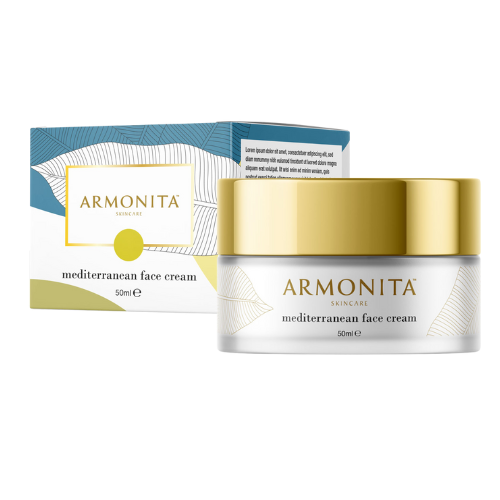
The formulation focuses on multi-level hydration, antioxidant protection and improved elasticity, firmness and radiance, making it suitable for a daily skincare routine focused on skin quality.
Glow Face Mask: antioxidant protection and radiance
The routine can be complemented with Armonita Glow Face Mask, formulated with stabilized vitamin C, coenzyme Q10 and bakuchiol, together with argan oil, carrot oil and Synovea EL.
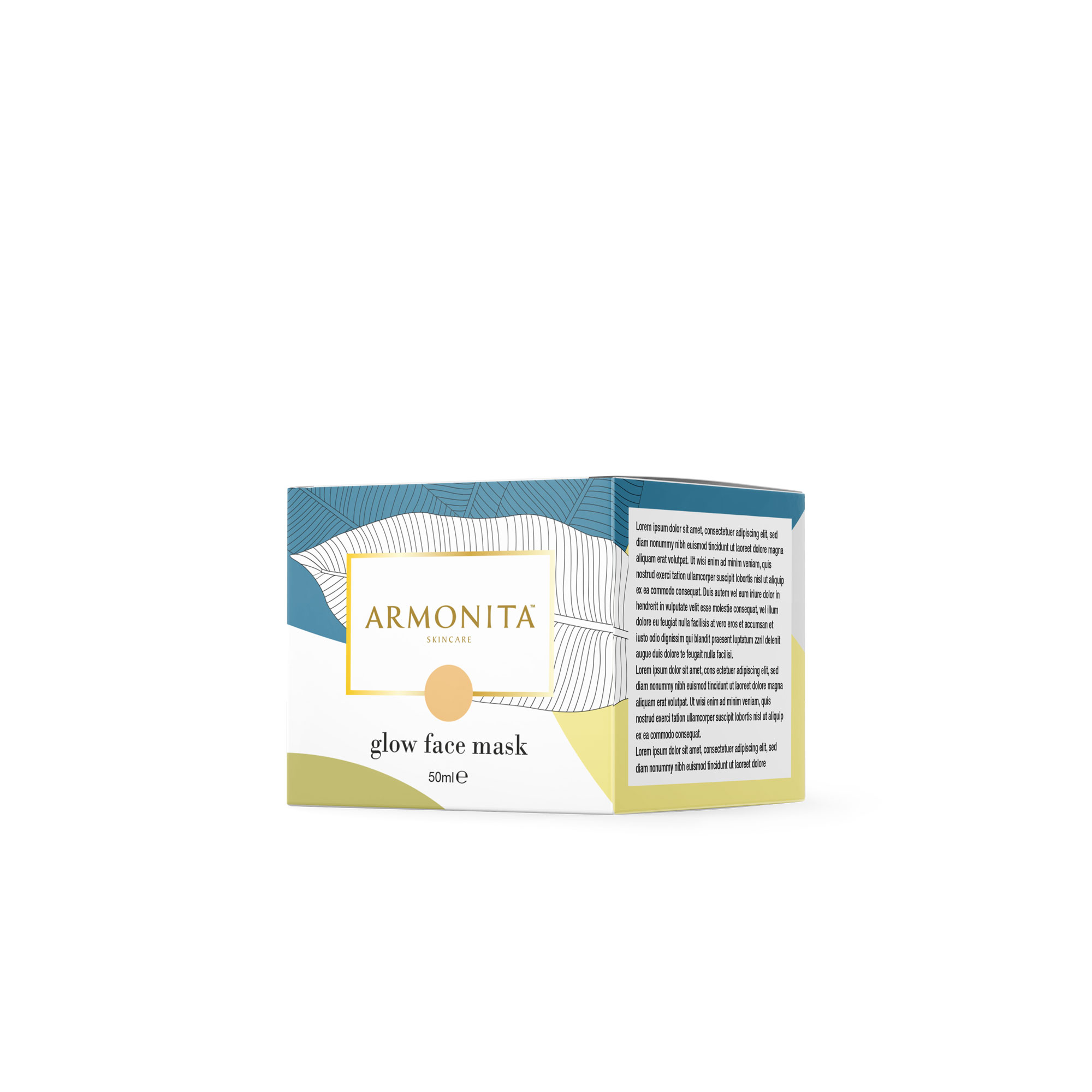
It is designed for dull skin, uneven pigmentation and signs of aging, as well as skin exposed to oxidative stress and pollution. The Armonita catalog highlights its antioxidant, brightening and anti-aging action, along with support for skin renewal and elasticity.
Glycation and aging: key concepts
- Glycation can lead to the formation and accumulation of AGEs.
- AGEs can modify collagen and the skin’s extracellular matrix.
- Glycation, oxidative stress and UV radiation can interact in skin aging processes.
- Diet and metabolic factors can influence AGE accumulation.
- Antioxidant and hydrating skincare can support skin quality, but does not eliminate AGEs that have already accumulated.
- Armonita Mediterranean Face Cream and Glow Face Mask are formulated for needs that include oxidative stress and signs of aging.
Preventing aging means understanding the skin
The relationship between glycation and aging shows how skin quality depends on processes that go beyond the mere passage of time. Sugar metabolism, oxidative stress, UV exposure and inflammation can contribute to progressive changes in skin tissue.
Understanding these mechanisms helps build a more informed strategy, combining healthy lifestyle habits, skin protection and skincare tailored to the skin’s actual needs.
Discover Armonita skincare
Armonita develops skincare collections that combine cosmetic research and selected ingredients to address different skin needs.
Discover Mediterranean Face Cream, Glow Face Mask and the Armonita Skincare collections, or request more information about distribution, collaboration and Private Label opportunities.
Source: Jana Janovska, Lana Kasparane, Julia Voicehovska, Sergejs Babikovs and Jānis Ķīsis, Glycation and aging: measurement and treatment.

