

The future of skincare begins at the core of your cells
There is a biological clock hidden inside every cell of the body. You cannot see it, you cannot feel it, yet it marks time with relentless precision. It is called a telomere, and over the past few decades scientific research has placed it at the centre of the debate on aging, longevity, and skincare.
Understanding how telomeres work means understanding why skin changes, why some people age better than others, and above all, how we can take concrete action to slow this process.
What telomeres are and why they age with us
Telomeres are repetitive DNA sequences that protect the ends of chromosomes, much like the plastic tips that protect the ends of shoelaces. Every time a cell divides, the telomeres shorten. When they reach a critical length, the cell enters a state of senescence or undergoes apoptosis.
This process is recognised as one of the twelve hallmarks of aging: the fundamental biological mechanisms that contribute to the organism’s decline as the years advance.
The paradox is fascinating: telomere erosion originates as a protective mechanism — it prevents uncontrolled cell proliferation — but in the long term it accelerates tissue degeneration and promotes the onset of age-related diseases, including cardiovascular and neurodegenerative conditions.
The role of telomerase: the longevity enzyme
Countering this progressive shortening is telomerase, an enzyme discovered in 1985 by Greider and Blackburn. Telomerase adds new sequences to telomeres, slowing their erosion and prolonging cell life.
The problem is that in adult somatic cells, telomerase is almost entirely absent. Its activity is reserved mainly for stem cells. This is why, over time, tissues lose their capacity to renew themselves effectively.
Oxidative stress and inflammation: the silent enemies of telomeres
Telomeres do not shorten solely through cell division. Environmental and metabolic factors accelerate their erosion significantly.
Oxidative stress, caused by an excess of free radicals, damages telomeres preferentially due to the high concentration of guanine in their sequences, which is particularly vulnerable to oxidation.
Chronic inflammation is the other major accelerator. Elevated levels of pro-inflammatory cytokines suppress telomerase activity and trigger a vicious cycle: telomeres shorten, cells become senescent, and senescent cells release inflammatory molecules that fuel further inflammation, aggravating tissue decline.
How to act: antioxidants and anti-inflammatories in support of telomeres
The review by Schellnegger et al. rigorously examines the strategies available to counter telomeric erosion. Among the most well-documented: vitamin C, vitamin E, resveratrol, omega-3 fatty acids and spermidine.
A study involving over 7,000 participants highlighted a positive correlation between vitamin C and telomere length. Vitamin E, when present in insufficient amounts, was associated with shorter telomeres in cardiovascular patients. Omega-3s were linked to a slower rate of telomeric shortening in a five-year follow-up study.
These findings are not only relevant to internal health: they are reflected directly in skin quality, its regenerative capacity, elasticity, and tone.
From cell biology to advanced skincare: the Armonita response
Understanding the telomeric mechanism allows us to look at anti-aging products with different eyes. It is not about masking the signs of time, but about supporting the cellular processes that slow their appearance. The formulations of Armonita Skincare find here a precise scientific coherence.
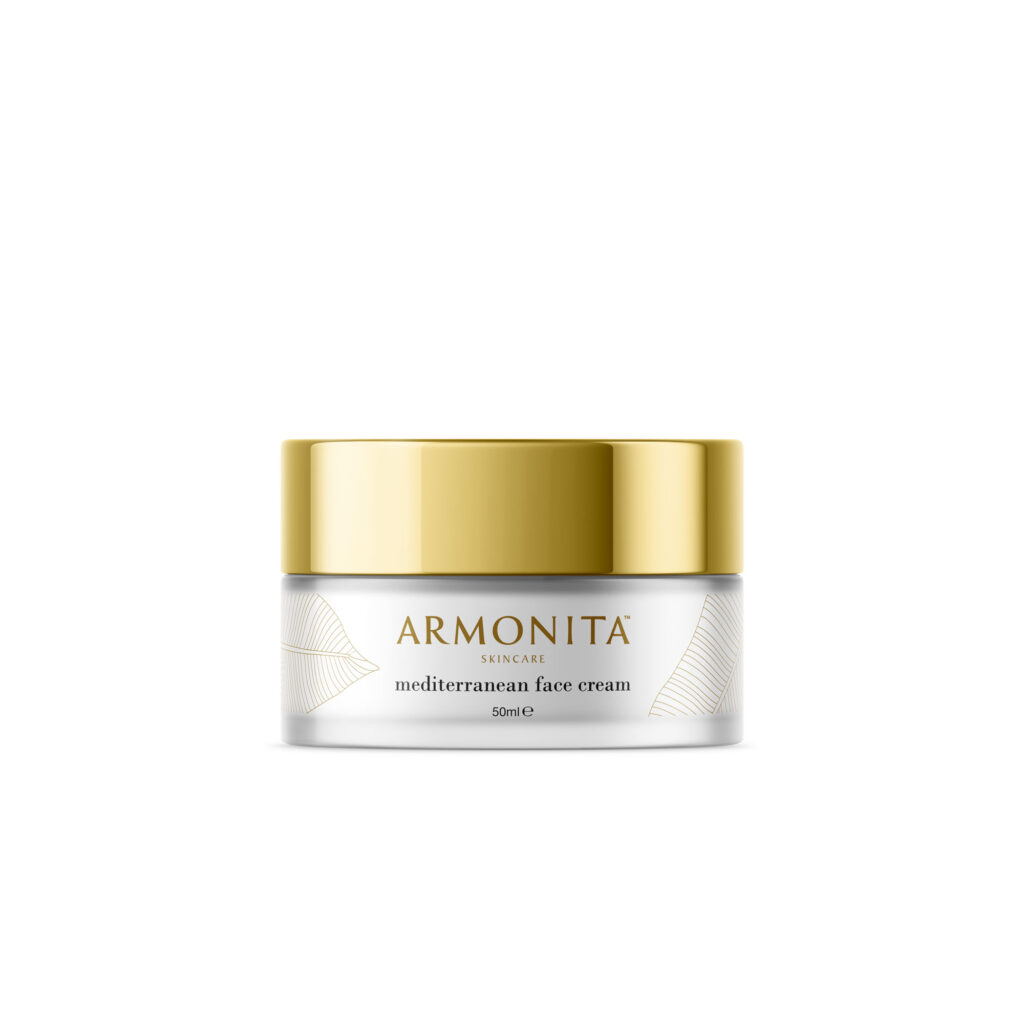
Mediterranean Face Cream (Capri Collection)
Combines the antioxidant power of Annurca Apple with grape, apple and lemon extracts to counteract oxidative stress. Argireline and Progeline make it ideal for those who want to act preventively on the first signs of aging.
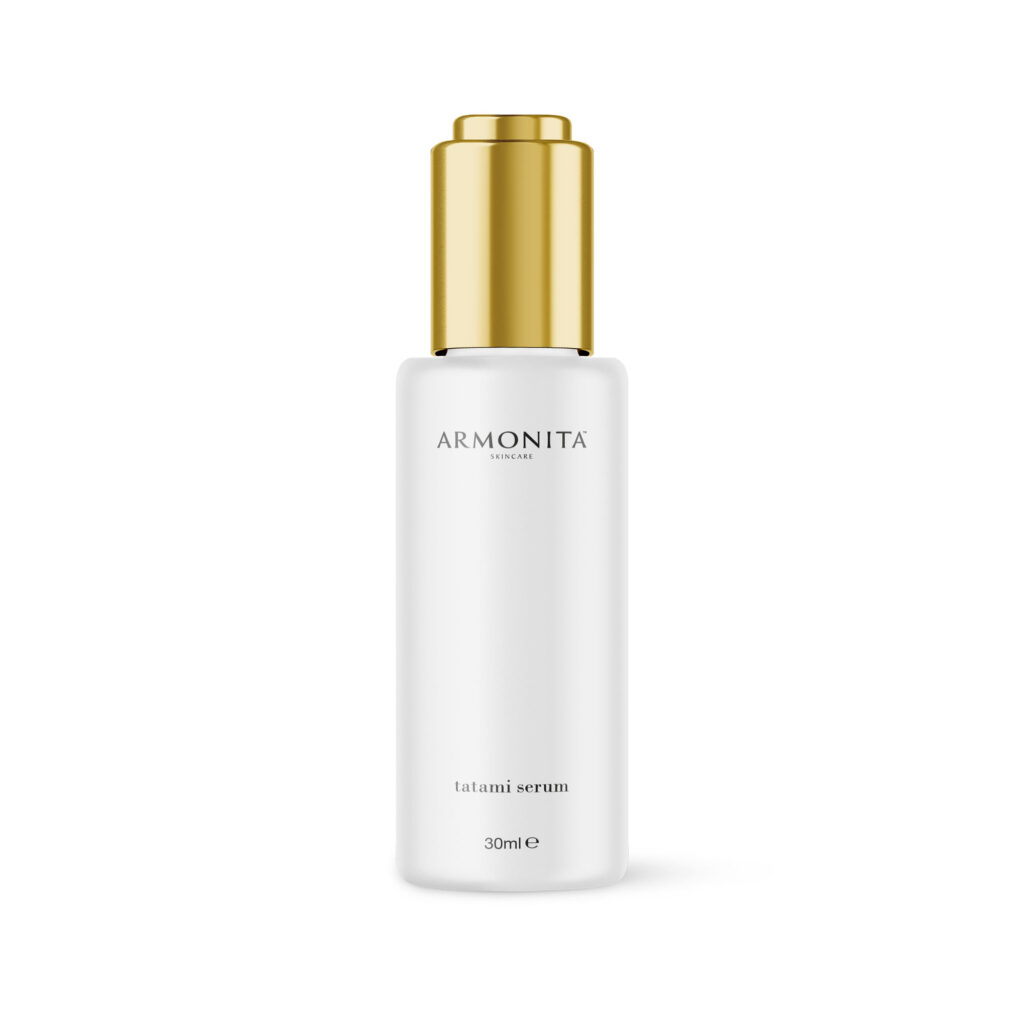
Tatami Serum (Tokyo Collection)
Hyaluronic Acid, Progeline, Bakuchiol and Triopherol® for a new-generation anti-aging action. Reduces oxidative stress and supports cellular renewal in a targeted way.
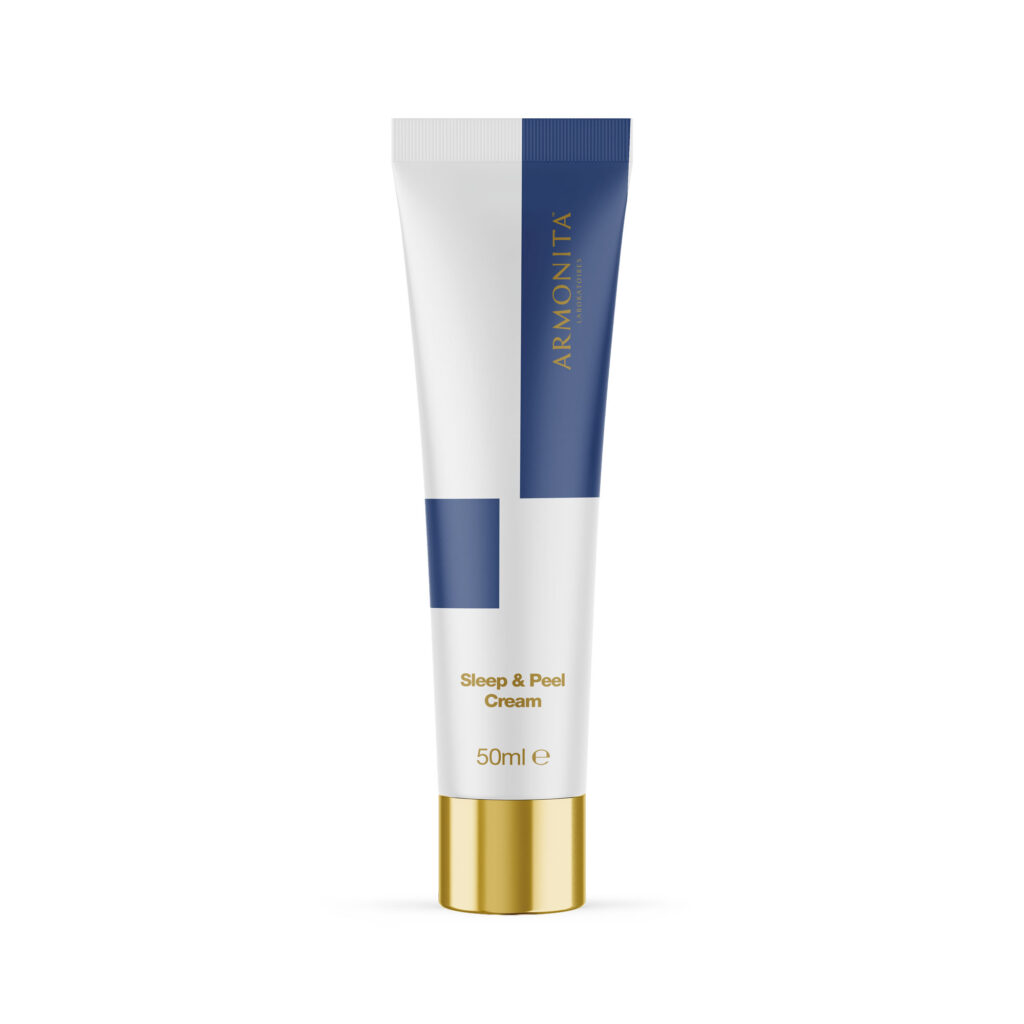
Sleep & Peel Cream (Armonita Laboratoires)
Harnesses the night cycle of cell regeneration. The combination of next-generation exfoliating acids with Bakuchiol and Bisabololo supports cell turnover, slowing the accumulation of senescent cells in the skin tissue.
The future of anti-aging is cellular
Research on telomeres delivers a clear lesson: skin aging originates from deep molecular processes, influenced by oxidation, inflammation, and the quality of the active ingredients we use to care for ourselves every day.
The most effective strategies act on multiple levels: skincare formulated with scientific rigour, a diet rich in antioxidants, consistent sun protection, and where indicated, aesthetic treatments that stimulate tissue regeneration in a targeted way.
Science moves forward. And those who choose products that are up to the challenge, move forward with it.
Are you interested in distributing the Armonita line?
Source: Schellnegger M, Hofmann E, Carnieletto M, Kamolz L-P. Unlocking longevity: the role of telomeres and its targeting interventions. Front. Aging. 2024;5:1339317.

