

Skin Rejuvenation and Biorevitalization: Dose-Dependent Efficacy for Regenerated Skin
Skin aging is not just a matter of time passing; it is influenced by approximately 80% by external factors, primarily prolonged exposure to ultraviolet rays.
This phenomenon, known as photoaging, profoundly alters the structure of our skin, reducing cellular functionality in both the epidermis and the dermis. The consequence is a loss of elasticity, the appearance of fine lines, sun spots, and general dryness due to a compromised skin barrier.
Today, aesthetic medicine offers increasingly targeted solutions, and a recent prospective study has shed new light on the efficacy of cross-linked hyaluronic acid (HA), demonstrating that dosage and session frequency are determining variables for the treatment’s success.
The Importance of Dosage in Photoaging Treatment
Scientific research has highlighted that the intradermal injection of cross-linked hyaluronic acid is not merely a filling procedure, but a true therapeutic protocol.
The study compared different dosage regimens, revealing that higher-dose protocols divided into multiple sessions offer significantly superior results in terms of improving photoaging scores. It is not just about visually softening a wrinkle, but about intervening in tissue quality: patients treated with higher dosages showed a reduction in transepidermal water loss and a substantial increase in skin elasticity.
These effects are cumulative: each subsequent session enhances the benefits of the previous one, ensuring longer-lasting results over time.
Cross-linked Technology: Stability and Deep Hydration
Why specifically cross-linked hyaluronic acid? Unlike the linear form, the cross-linked (or reticulated) structure guarantees greater resistance to enzymatic degradation by hyaluronidase. This means the product remains in the dermis for an extended period, usually between 6 and 12 months, continuing to exert its hydrating and corrective action.
The ability of HA to bind large amounts of water molecules is essential to counteract the dryness typical of photoexposed skin, restoring tone and firmness to the tissues.
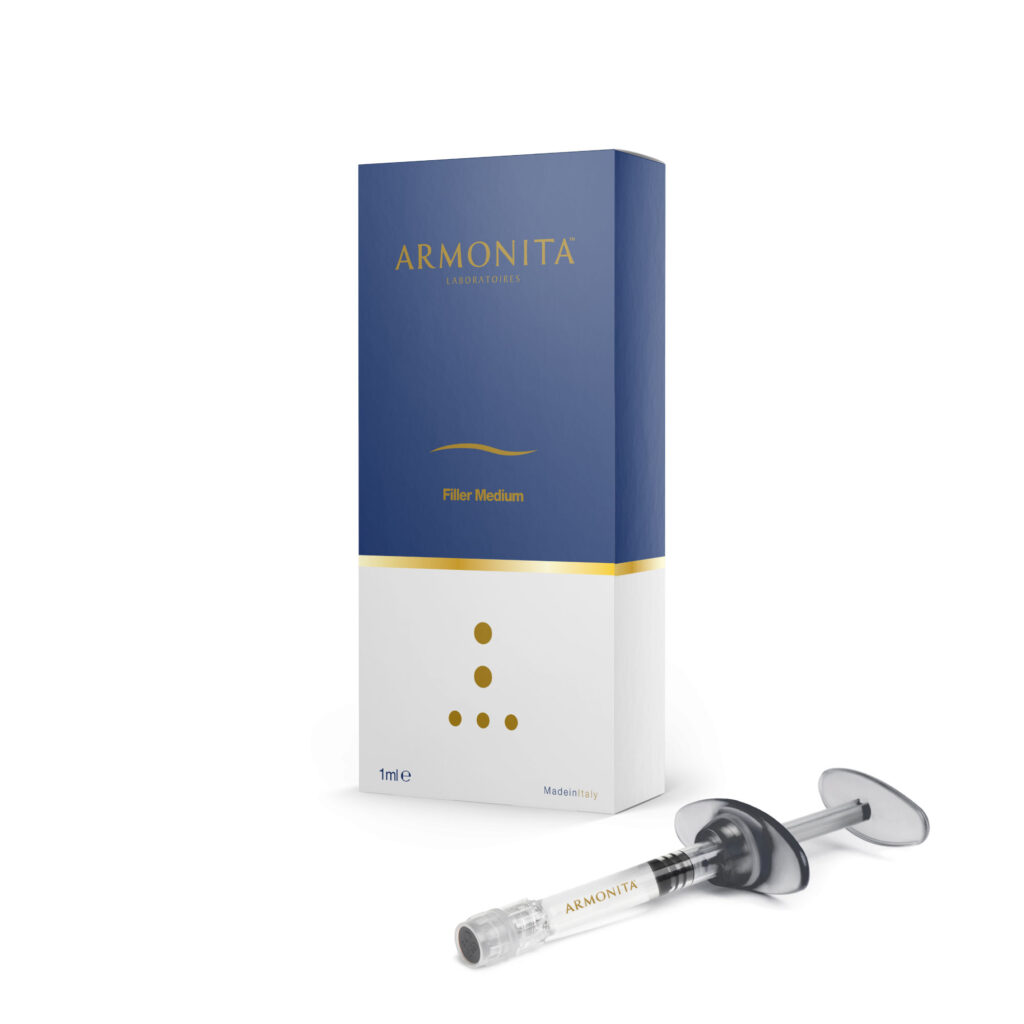
Products such as Armonita’s Filler Medium leverage this advanced technology to treat medium-superficial wrinkles and areas subject to volume loss, ensuring a high safety profile thanks to cutting-edge purification processes that reduce the risk of adverse reactions.
Synergy Between Aesthetic Medicine and Home Skincare
The success of an intradermal treatment does not end in the doctor’s office. The post-procedure phase is crucial for maximizing results and accelerating skin recovery.
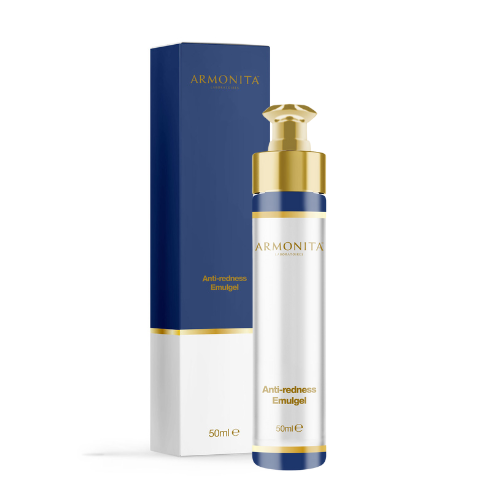
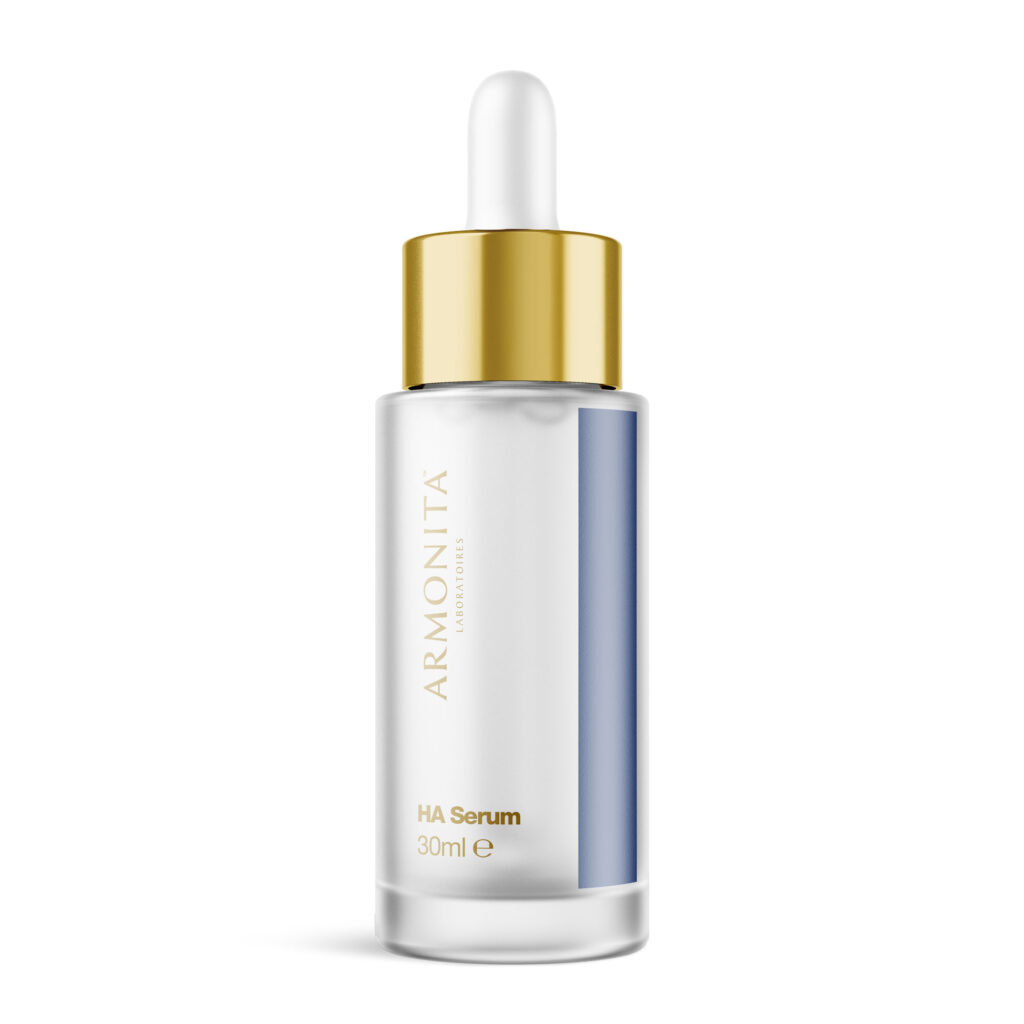
After micro-injections, the skin may exhibit redness or sensitivity: using specific soothing solutions, such as Anti-Redness Emulgel, allows for instant calming of erythema and protection of the skin barrier. Integrating the daily routine with a high molecular weight serum, such as HA Serum, helps maintain the “plumping effect” achieved with the filler, actively fighting dehydration and improving facial radiance.
This integrated approach transforms a single intervention into a complete regeneration journey, capable of effectively countering the signs of oxidative stress and sun damage.
A Concrete Response to the Signs of Time
The data is clear: to fight photoaging effectively, consistency and the choice of high-concentration protocols are the winning strategy.
Cross-linked hyaluronic acid is confirmed as the gold standard, not only for its volumizing capacity but for its active role in restoring the physiological health of the skin.
Relying on certified technologies and completing the professional path with pharmaceutical-grade skincare allows for a natural, rested, and visibly younger appearance, transforming self-care into an authentic wellness ritual.
Are you interested in distributing the Armonita Line?
Source: Shanqing Wang, et. al., “Dose-Dependent Effects of Cross-Linked Hyaluronic Acid Through Intradermal Injection on Female Facial Photoaging: A Prospective Study”, Aesthetic Surgery Journal Open Forum, Volume 7, 2025, https://doi.org/10.1093/asjof/ojaf046

