
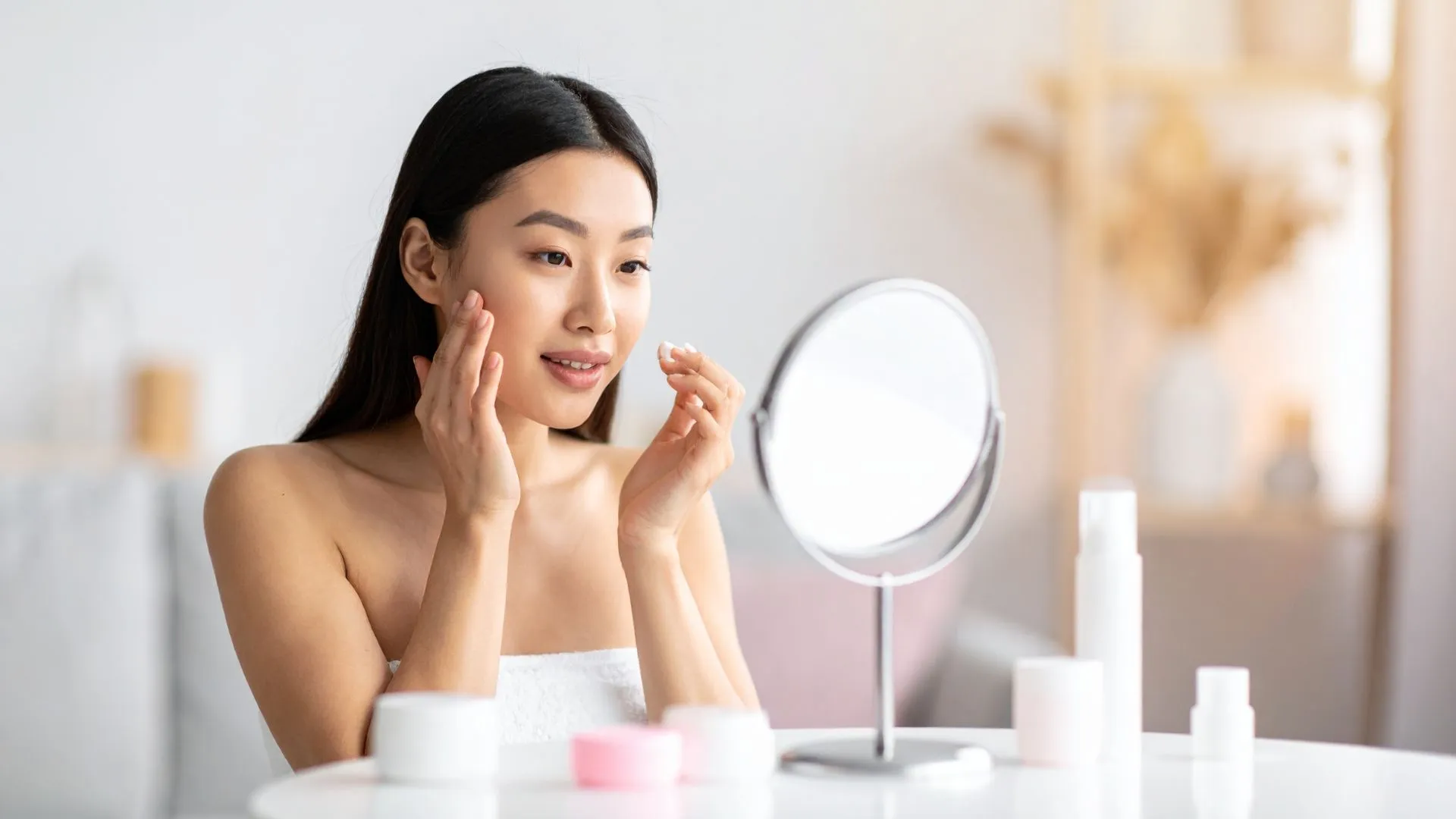
From science to skin: the new era of anti-aging
Skincare today is no longer limited to topical cosmetics alone: the concept of integrated beauty brings together nutrition, supplementation, and advanced skincare. At the heart of this approach are ingredients with strong scientific evidence, such as curcumin, known for its antioxidant and anti-inflammatory action.
A recent clinical study has confirmed that microencapsulated curcumin is able to visibly improve the appearance of the skin, opening up new perspectives for cosmetic formulation as well.
Curcushine and the key role of antioxidants
The study, published in the Journal Agro FOOD Industry hi-tech, analyzed the effectiveness of Curcushine, a natural microencapsulated curcumin extract designed to increase bioavailability. Thanks to microencapsulation, curcuminoids are more stable, more easily absorbed, and able to effectively counteract oxidative stress, one of the main causes of premature skin aging.
Oxidative stress, in fact, accelerates the appearance of wrinkles, dark spots, and loss of radiance, making the use of targeted antioxidant actives essential, both internally and externally.
Clinical results: brighter and more even skin
The study involved 63 women aged between 21 and 50 with visible skin imperfections. After 42 days of supplementation with Curcushine, participants showed:
- significant reduction of periocular and frontal wrinkles
- decrease in skin dark spots
- improvement in skin tone uniformity
- reduction of oxidative stress markers
These data confirm that protecting the skin from free radicals is a key strategy for preserving youthfulness and radiance.
Antioxidant skincare: the value of the Armonita Capri Collection
These same biological mechanisms are at the core of Mediterranean Face Cream from the Armonita Capri Collection, a facial treatment designed to counteract environmental stress, pollution, and early signs of aging.
The formula harnesses the antioxidant power of Mediterranean-inspired actives, helping the skin defend itself daily against external aggressors responsible for dullness, dehydration, and premature aging.
The action of Mediterranean Face Cream goes beyond hydration: the treatment helps to enhance radiance, even out the complexion, and strengthen the skin barrier, making it particularly suitable for skin exposed to urban and environmental oxidative stress.
From within to without: a synergistic approach
The study on microencapsulated curcumin shows how oxidative stress control is crucial for skin appearance. In this context, skincare developed by Armonita becomes a fundamental ally, as it works on the same key factors highlighted by scientific research.
Daily use of a targeted antioxidant treatment such as Mediterranean Face Cream helps to:
- support the skin’s natural defense mechanisms
- counteract dullness and tired-looking skin
- prevent the early signs of aging
Armonita: science, sensoriality, and visible results
The Armonita Capri Collection was created for those who want skincare that is both effective and sensorial, combining scientific research, Mediterranean inspiration, and visible results. In line with the latest evidence in nutricosmetics and antioxidants, Mediterranean Face Cream represents a concrete response to the needs of modern skin: brighter, protected, and visibly healthier.
Future perspectives between nutrition and cosmetics
The results of the Curcushine study confirm that the future of anti-aging lies in an integrated approach. Combining scientifically validated ingredients with advanced antioxidant skincare like that of Armonita means working comprehensively on skin quality, improving its appearance in the present and preserving its beauty over time.
Are you a distributor and interested in offering the Armonita line?
Source: “Microencapsulated curcumin extract positively impacts skin appearance in recent study” Nutritional Outlook,
https://www.nutritionaloutlook.com/view/microencapsulated-curcumin-extract-positively-impacts-skin-appearance-in-recent-study

